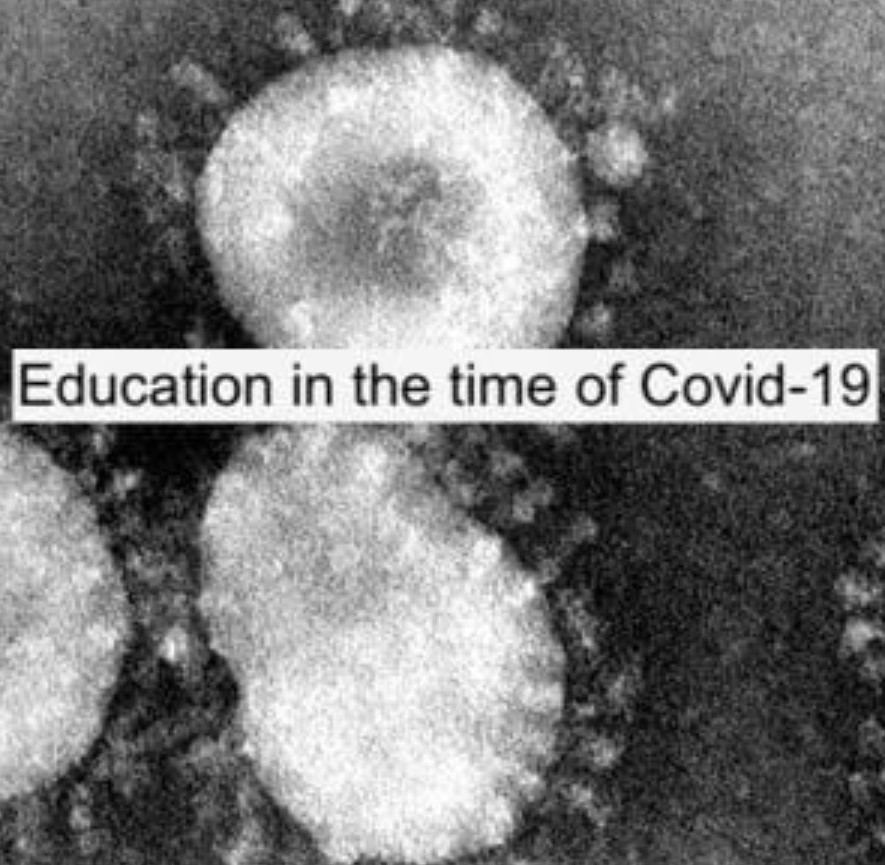
The first pandemic of the 21st century practically crippled the world, bringing it to a complete standstill. It is not the disease itself that caused the shutdown but the policies implemented to curb the spread of the disease. Travel, trade, manufacturing and service sectors were all shutdown. Lockdowns, confinements and social distancing practically made our present economic and social systems inoperable. The education sector was not spared either. UNESCO estimates that about 1.2 billion students from over 140 countries as of March 2020 were out of school. The situation has not really improved since then about 12 months later.
The sudden closure of schools caught most education administrators unprepared. However, after the initial period of shock and with the key focus on containing the spread of the disease and keeping the students safe, educators are now increasingly coming to terms that this pandemic will be with us for some time or at least until a vaccine reaches the masses. Therefore, until a safe return to school strategy is ironed out, alternate solutions are urgently needed for the following issues:
…..




 English
 Arabic
 Chinese (Simplified)
 Filipino
 French
 Hindi
Hindi Indonesian
 Italian
 Javanese
 Khmer
Khmer Lao
Lao Malay
Malay Myanmar (Burmese)
 Nepali
 Portuguese
 Russian
 Spanish
 Thai
Thai Vietnamese
The first pandemic of the 21st century practically crippled the world, bringing it to a complete standstill. It is not the disease itself that caused the shutdown but the policies implemented to curb the spread of the disease. Travel, trade, manufacturing and service sectors were all shutdown. Lockdowns, confinements and social distancing practically made our present economic and social systems inoperable. The education sector was not spared either. UNESCO estimates that about 1.2 billion students from over 140 countries as of March 2020 were out of school. The situation has not really improved since then about 12 months later.
The sudden closure of schools caught most education administrators unprepared. However, after the initial period of shock and with the key focus on containing the spread of the disease and keeping the students safe, educators are now increasingly coming to terms that this pandemic will be with us for some time or at least until a vaccine reaches the masses. Therefore, until a safe return to school strategy is ironed out, alternate solutions are urgently needed for the following issues: