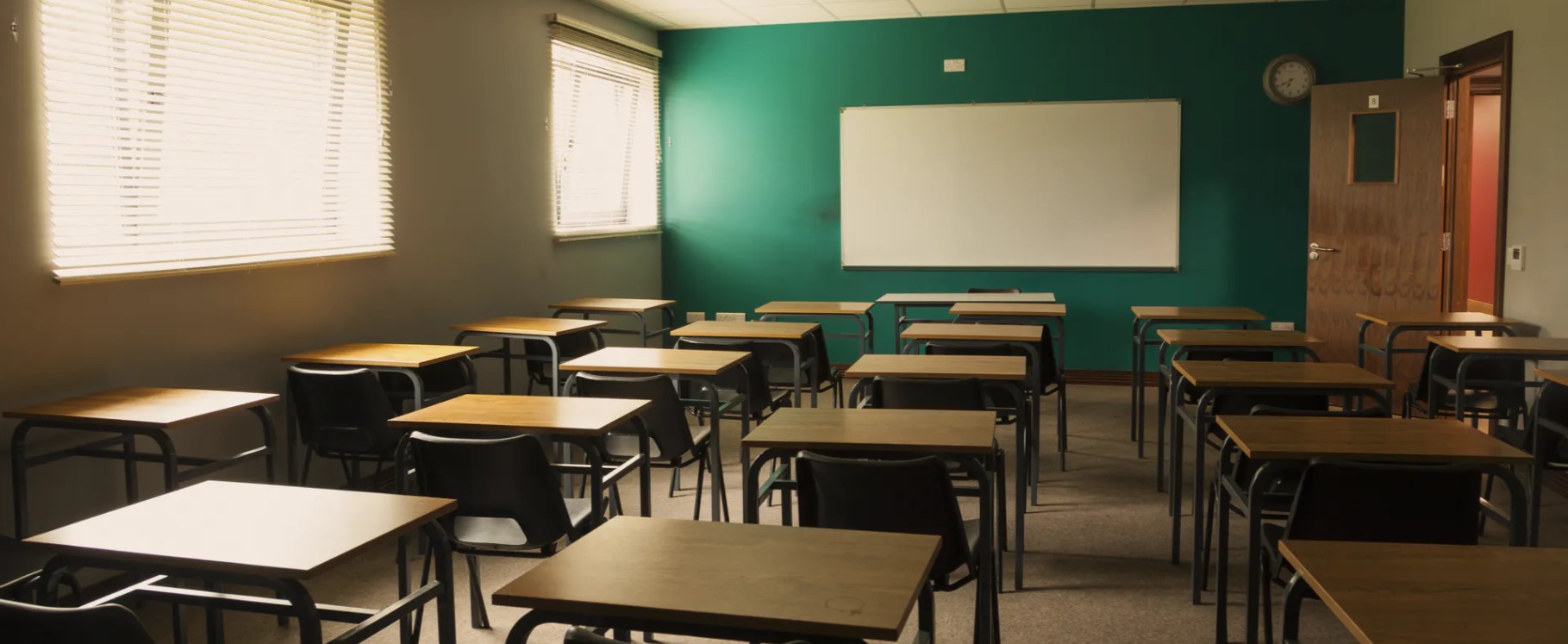
When COVID-19 forced the mass closure of schools across the U.S. during the early months of 2020, we all wondered how—or if—students would continue to learn amid the turbulence. Seemingly overnight, educators, parents and edtech companies churned out crisis plans for remote instruction in hopes of carrying on, at the very least, until summer break.
Concerns over the long-term negative impacts of poor attendance are not new, but the pandemic casts a different light on the issue.
Unsurprisingly, concerns over the expected “COVID slide” began to take shape almost as quickly as the emergency response plans, with the learning loss projected to be especially dire for those students already at risk of failure. As the weeks wore on, it seemed that many students would, thankfully, finish the school year with much of their learning intact. In fact, some studies forecast that high performers would actually see improvement in certain areas, such as reading, during times of independent learning.
…..






 English
 Arabic
 Chinese (Simplified)
 Filipino
 French
 Hindi
Hindi Indonesian
 Italian
 Javanese
 Khmer
Khmer Lao
Lao Malay
Malay Myanmar (Burmese)
 Nepali
 Portuguese
 Russian
 Spanish
 Thai
Thai Vietnamese
When COVID-19 forced the mass closure of schools across the U.S. during the early months of 2020, we all wondered how—or if—students would continue to learn amid the turbulence. Seemingly overnight, educators, parents and edtech companies churned out crisis plans for remote instruction in hopes of carrying on, at the very least, until summer break.
Concerns over the long-term negative impacts of poor attendance are not new, but the pandemic casts a different light on the issue.
Unsurprisingly, concerns over the expected “COVID slide” began to take shape almost as quickly as the emergency response plans, with the learning loss projected to be especially dire for those students already at risk of failure. As the weeks wore on, it seemed that many students would, thankfully, finish the school year with much of their learning intact. In fact, some studies forecast that high performers would actually see improvement in certain areas, such as reading, during times of independent learning.
…..