To provide the best experiences, we use technologies like cookies to store and/or access device information. Consenting to these technologies will allow us to process data such as browsing behavior or unique IDs on this site. Not consenting or withdrawing consent, may adversely affect certain features and functions. https://equity-ed.net/cookies-policy/
The technical storage or access is strictly necessary for the legitimate purpose of enabling the use of a specific service explicitly requested by the subscriber or user, or for the sole purpose of carrying out the transmission of a communication over an electronic communications network.
The technical storage or access is necessary for the legitimate purpose of storing preferences that are not requested by the subscriber or user.
The technical storage or access that is used exclusively for statistical purposes.
The technical storage or access that is used exclusively for anonymous statistical purposes. Without a subpoena, voluntary compliance on the part of your Internet Service Provider, or additional records from a third party, information stored or retrieved for this purpose alone cannot usually be used to identify you.
The technical storage or access is required to create user profiles to send advertising, or to track the user on a website or across several websites for similar marketing purposes.




 English
 Arabic
 Chinese (Simplified)
 Filipino
 French
 Hindi
Hindi Indonesian
 Italian
 Javanese
 Khmer
Khmer Lao
Lao Malay
Malay Myanmar (Burmese)
 Nepali
 Portuguese
 Russian
 Spanish
 Thai
Thai Vietnamese
For the first time in her decade of teaching, Coral Zayas is eating lunch every day. It may sound small, but for her, it’s a major victory. “I don’t normally eat three meals a day, because I’m usually working and don’t even think about it,” Zayas said in September. In addition to her new lunch routine, Zayas, who teaches STEM and social studies at a public school in Leander, Texas, has set a regular time when she turns off her computer at night. “I’m working really hard to put what is in my brain of what balance looks like into reality,” she said.
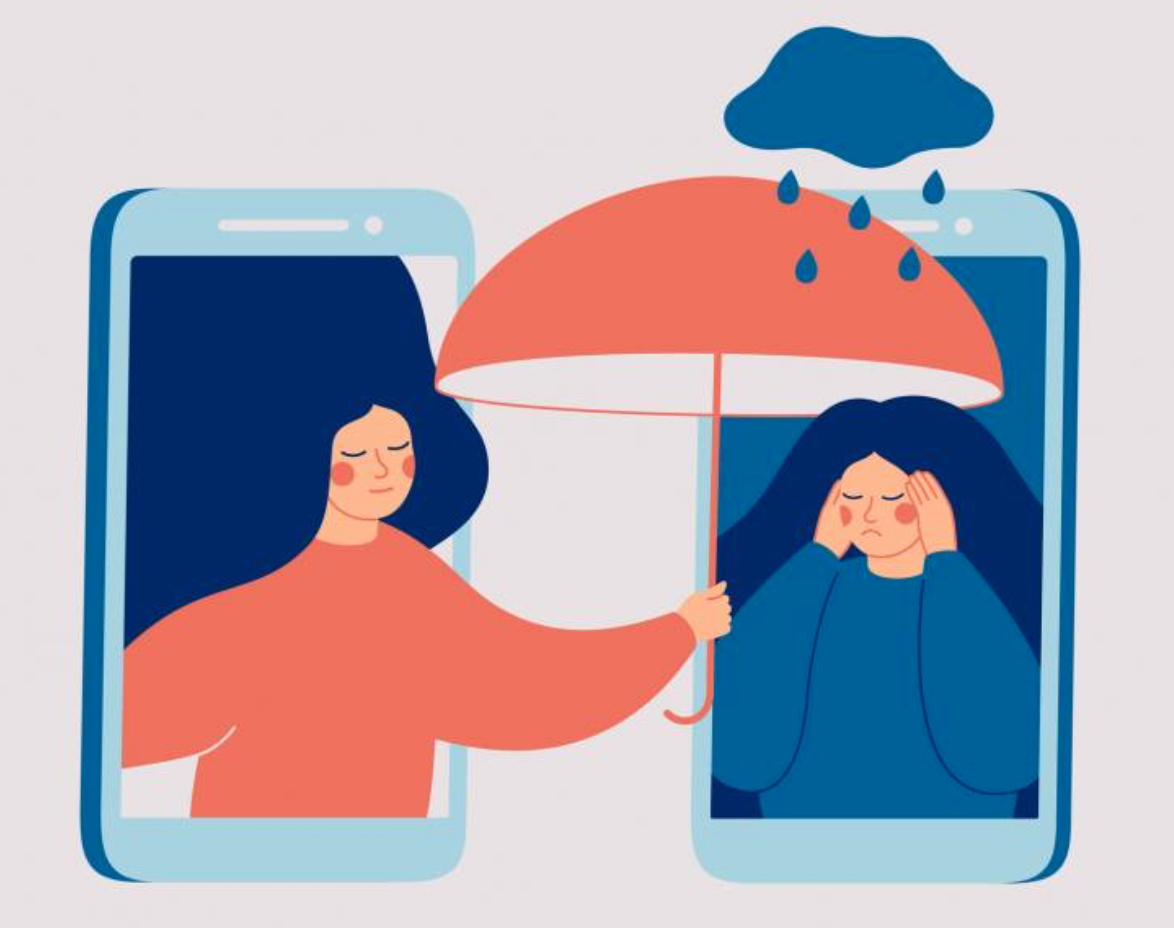
“Balanced” is not a word that many educators would use to describe how they feel in 2020. Even before COVID-19, recent studies found that 93% of elementary school teachers and 94% of middle school teachers experience high stress. Add to that a pandemic, upheaval in job duties and ongoing social unrest, and you’ve got plenty to worry mental health professionals. “We were in crisis a year ago, and now the house is on fire,” said Michelle Kinder, a licensed professional counselor and co-author of “WHOLE: What Teachers Need to Help Students Thrive.”
…………………………………………………………………………….